


Publication date: Jul 22, 2026
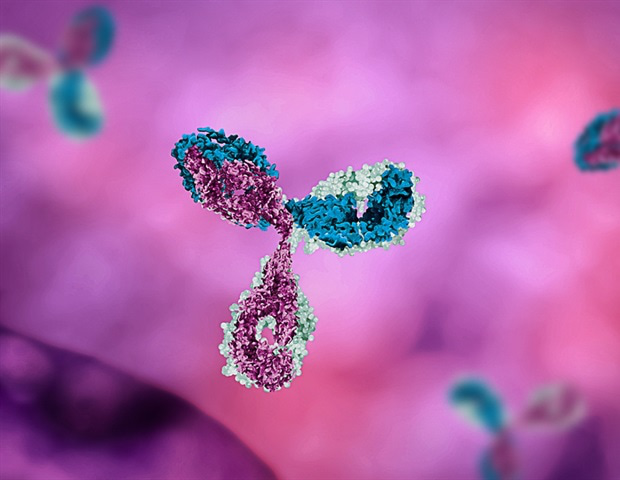
By employing patient-derived monoclonal antibodies, X-ray crystallography, and computational structural analysis, the researchers were able to map in detail how these antibodies interacted with type I interferons. “In other words, the immune system had refined and “trained” a response against one of its own essential antiviral defenses. Using patient-derived monoclonal antibodies, the researchers combined X-ray crystallography with AlphaFold3-based structural analyses to examine hundreds of antibodies. “Collectively, these antibodies were capable of recognizing and neutralizing different type I interferons, including interferon- and interferon-. ” In this case, however, the same process strengthened antibodies directed against the body’s own interferons. “Under normal circumstances, affinity maturation improves the ability of antibodies so that they bind more strongly to invading microbes. Instead, they arise from an organized, mature, and persistent autoimmune B-cell response that may exist silently before they become infected.
| Concepts | Keywords |
|---|---|
| Antibodies | |
| Antiviral | |
| Autoantibodies | |
| Body | |
| Cell | |
| Covid | |
| Findings | |
| Immune | |
| Individuals | |
| Infection | |
| Interferons | |
| Severe | |
| System | |
| Viral | |
| Virus |
Semantics
| Type | Source | Name |
|---|---|---|
| disease | MESH | infection |
| pathway | REACTOME | Immune System |
| disease | MESH | influenza |
| disease | MESH | COVID-19 |
| disease | MESH | viral infections |