


Publication date: Aug 15, 2026
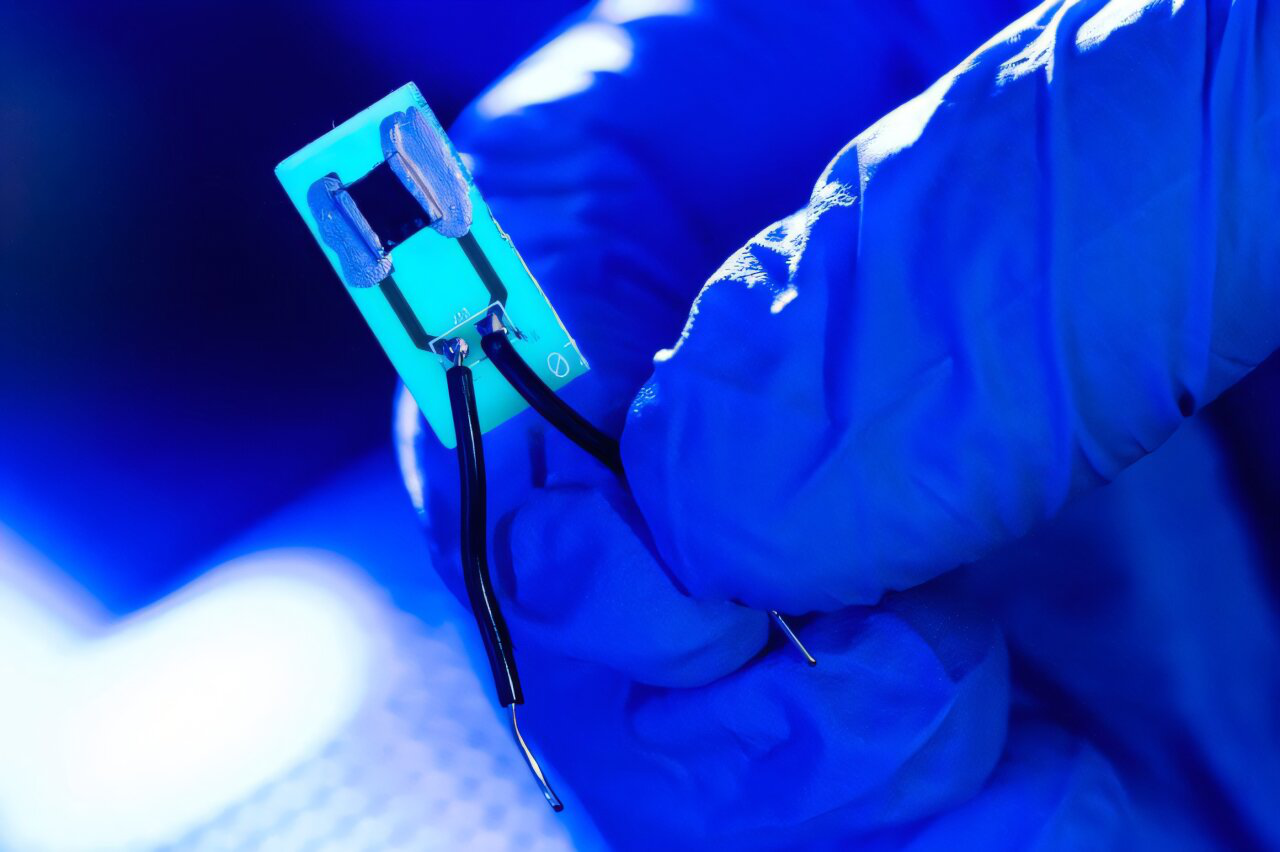
The study details a novel device utilizing molecularly imprinted polymers (MIPs) for rapid detection of viral particles. The sensor, incorporating a silicon base and graphene layer, functions by capturing viral particles like SARS-CoV-2 spike protein from exhaled breath, triggering a change in electrical resistance. Researchers refined the sensor through multiple iterations, enhancing its sensitivity and selectivity for the target biomarker while minimizing interference from other volatile compounds in breath. The device demonstrates effectiveness during the initial stages of infection when viral shedding is prominent, offering a faster and non-invasive alternative to traditional swab tests. Patent protection has been secured for the sensor and its associated methods, though further testing is required for clinical application.
| Concepts | Keywords |
|---|---|
| Colleagues | Breath |
| Coronavirus | Change |
| Diabetes | Detect |
| Faster | Device |
| Graphene | Mip |
| Northeastern | |
| Particles | |
| Person | |
| Said | |
| Sensor | |
| Sensors | |
| Sun | |
| Test | |
| Viral | |
| Virus |
Semantics
| Type | Source | Name |
|---|---|---|
| disease | MESH | COVID-19 pandemic |
| disease | MESH | MIP |
| drug | DRUGBANK | Silicon |
| drug | DRUGBANK | Medical air |
| drug | DRUGBANK | Tropicamide |
| disease | MESH | infection |
| drug | DRUGBANK | Dextrose unspecified form |
| disease | MESH | cancer |
| drug | DRUGBANK | Fentanyl |