


Publication date: Aug 25, 2026
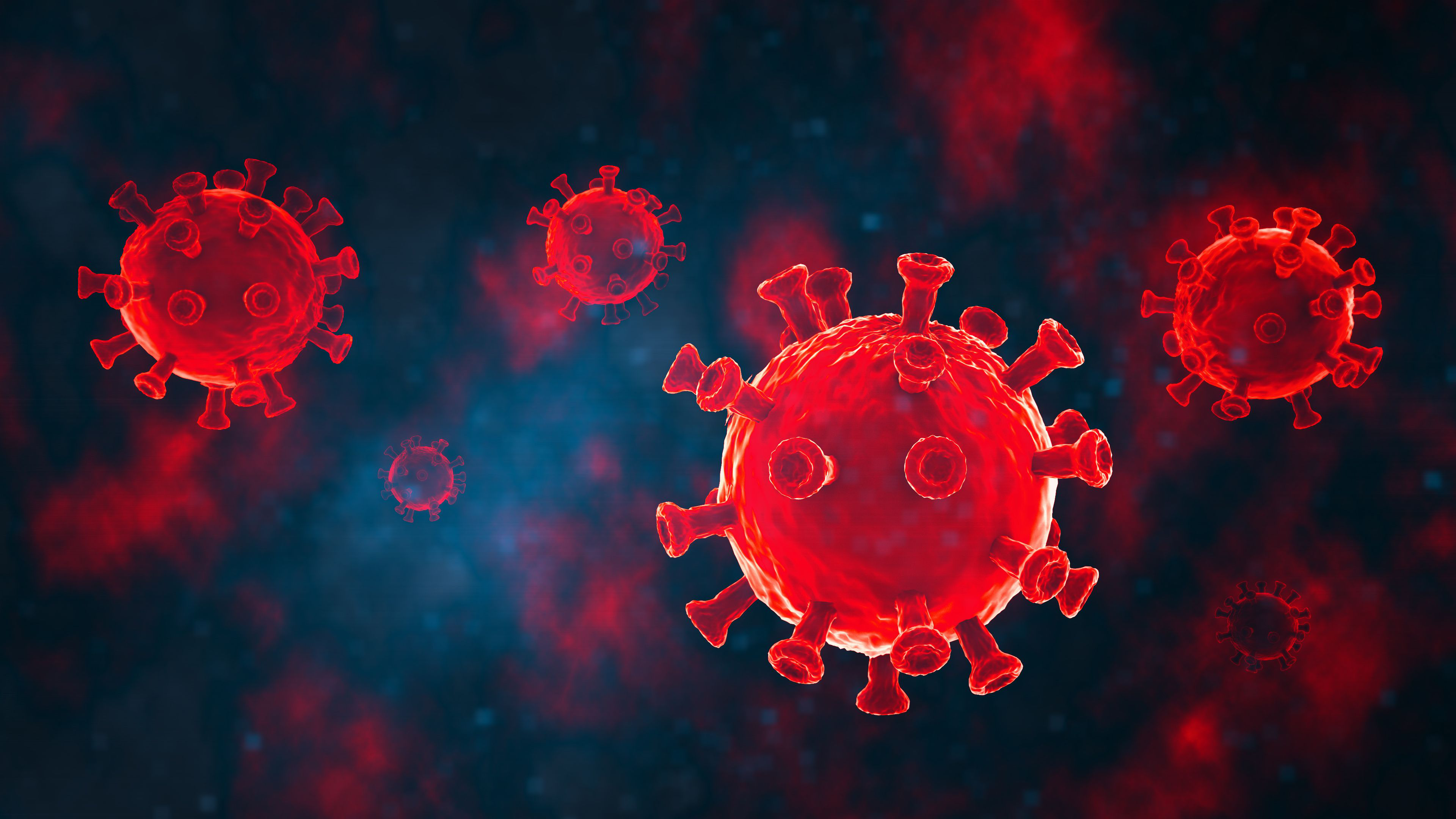
A study published in Science Advances revealed that the SARS-CoV-2 nucleocapsid (N) protein, previously thought to suppress antiviral defenses, simultaneously fuels excessive inflammation within macrophages. Researchers found that the N protein amplifies extracellular RNA sensing through Toll-like receptors while dampening intracellular interferon responses, with the Delta variant’s N protein exhibiting the most inflammatory effects through interactions with cGAS. Exposure of cell models to N protein led to significant vascular leakage, suggesting a potential mechanism for cardiac complications observed in severe COVID-19. These findings suggest that targeting the N protein could offer a more precise approach to managing hyperinflammation and vascular injury associated with COVID-19 and long COVID.
| Concepts | Keywords |
|---|---|
| Cardiac | |
| Cardiovascular | |
| Cov | |
| Covid | |
| Cytokine | |
| Doi | |
| Inflammation | |
| Injury | |
| Long | |
| Macrophages | |
| Mechanism | |
| Sars | |
| Severe | |
| Vascular | |
| Viral |
Semantics
| Type | Source | Name |
|---|---|---|
| disease | MESH | Cytokine Storm |
| disease | MESH | Injury |
| disease | MESH | COVID-19 |
| drug | DRUGBANK | Stanolone |
| disease | MESH | inflammation |
| pathway | REACTOME | Innate Immune System |
| disease | MESH | Middle East respiratory syndrome |
| disease | MESH | long COVID |
| disease | MESH | vascular injury |
| disease | MESH | chest pain |
| drug | DRUGBANK | Dexamethasone |
| disease | MESH | infections |
| pathway | REACTOME | Release |